The hidden personal cost of your computer ecosystem

Is quite high, and not so hidden, actually.  Almost every day something major needs to be updated, whether it’s a smart phone, tablet or laptop computer.  Many of us end up running our own personal IT department at home.

Posted in Information Technology | Leave a comment

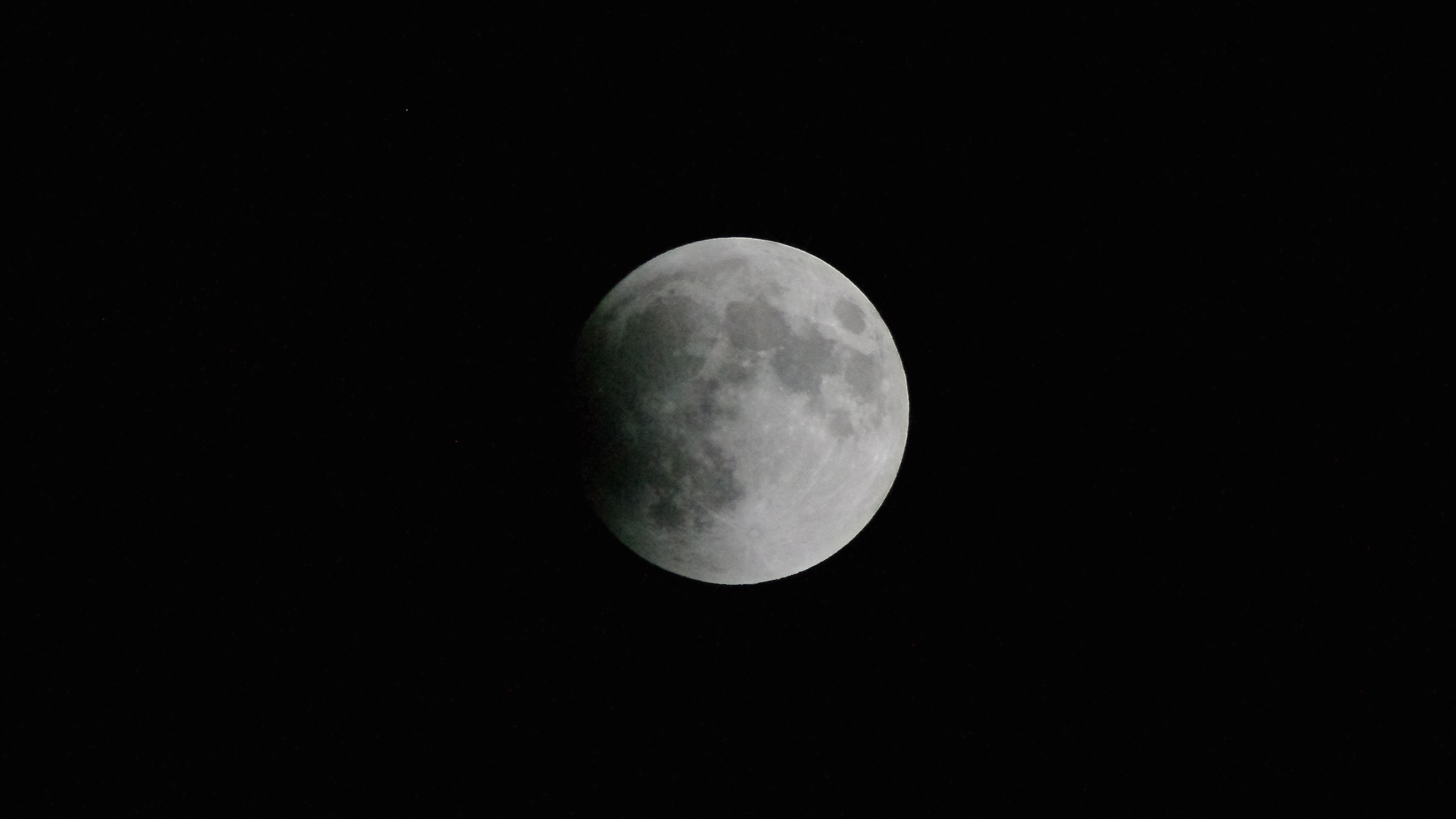
Live Blogging the 2015 Lunar Eclipse

12:53 AM EDT

12:53 AM EDT

12:17 AM EDT

12:17 AM EDT

11:54 PM EDT

11:54 PM EDT

LunarEclipse7

11:40 PM EDT

LunarEclipseFull3

11:10 PM EDT Just past full eclipse

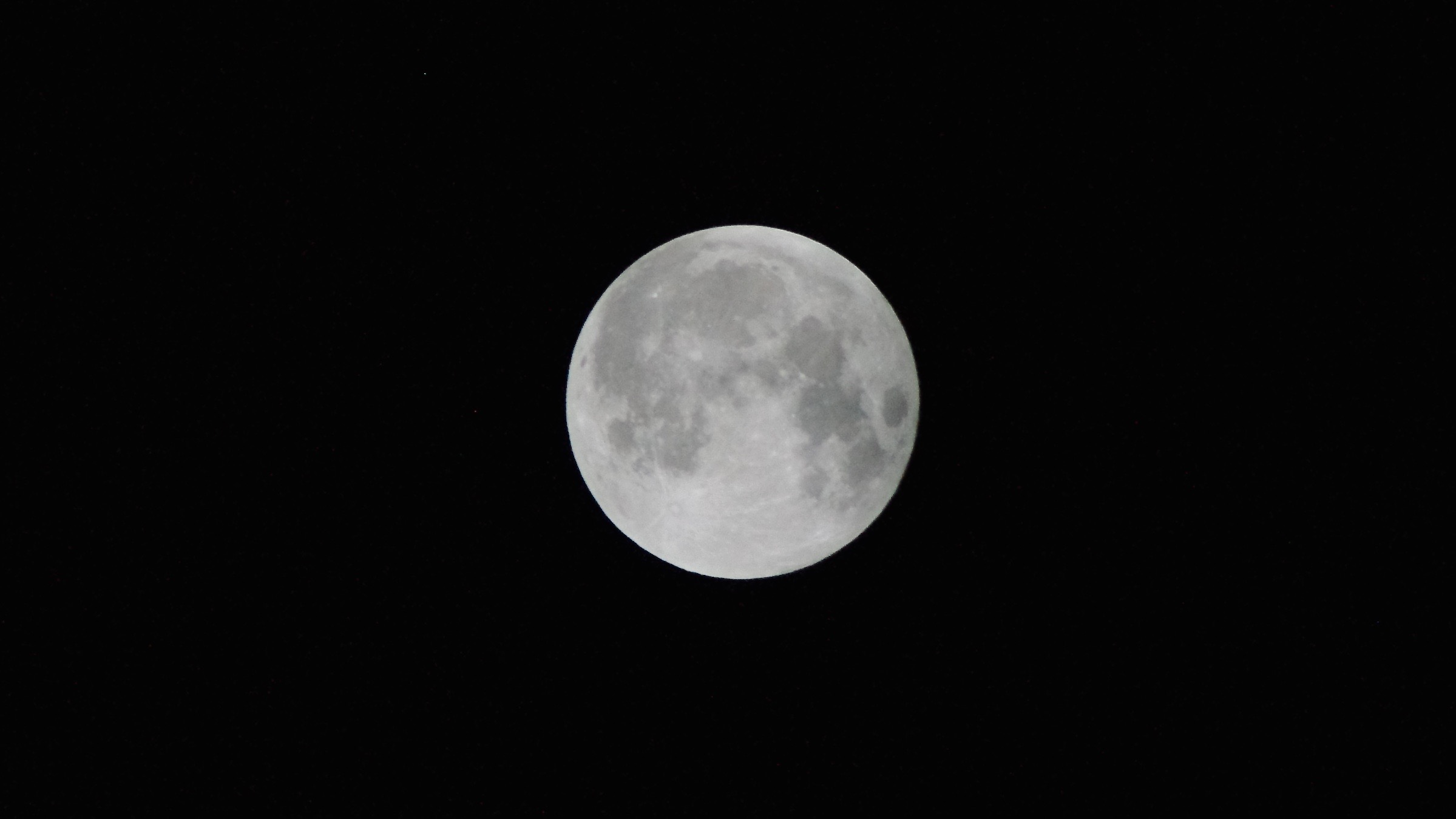
10:53 PM EDT Full Eclipse,

10:53 PM EDT Full eclipse, “Blood Moon”

LunarEclipseFull

10:17 PM EDT Nearly full eclipse

LunarEclipse3

9:42 PM EDT

LunarEclipse2

9:22 PM EDT

LunarEclipseBegins

9:10 PM Eastern Daylight Time

Updated whenever I remembered to step away from the Broncos game.

Posted in Space & Astronomy | Tagged , | Leave a comment

Anyone else find it curious that Burning Man has a rigid, logical city plan that is strictly enforced?

BRC2015-853x1024

Burning Man, the annual free and open creative festival in the desert — where no one is allowed to use money, and anything goes — has a very logically organized and strictly enforced city plan (see above).  With a population of over 60,000, “Black Rock City” is laid out in a radial grid with specific dimensions for each street type.  Streets are named alphabetically in the annular direction and labeled according to clock position radially, making it easy to find a specific location.  There is a well-planned infrastructure for services throughout the city and specific rules about who can camp and park where, and with which sort of vehicle.  The radial design allows for easy expansion, while maintaining direct access to Center Camp, the region full of fixed and mobile art installations in the center of which the Man reaches his fiery end.  The city even has an airport on the south side, which accommodates private airplanes, helicopters, hot air balloons and more.

I guess with a good plan, you can organize anything, even Burning Man…

1024px-Burning_Man_aerial

“Burning Man aerial” by Kyle Harmon from Oakland, CA, USA – Burning ManUploaded by PDTillman. Licensed under CC BY 2.0 via Commons

Posted in City Planning, Management | Tagged , , | 1 Comment

Rosetta’s Day in the Sun

Approaching_perihelion_node_full_image_2

The other big space exploration story this year is the ongoing Rosetta mission at comet 67P/Churyumov–Gerasimenko, including the reawakening of the Philae probe on the comet surface after 211 days of hibernation.  Above are recent images of the comet at its closest approach to the sun, showing water vapor and dust streaming out into space.  The Rosetta spacecraft was actually moved away from the comet during this part of the mission in order to minimize the risk of damage from ejected material.

I haven’t blogged much about the Rosetta mission, but there is a lot of cool stuff going on that you can read about at the European Space Agency’s web site.

Posted in Space & Astronomy | Tagged , , | Leave a comment

The Vistas of Pluto

Pluto-Wide-FINAL-9-17-15

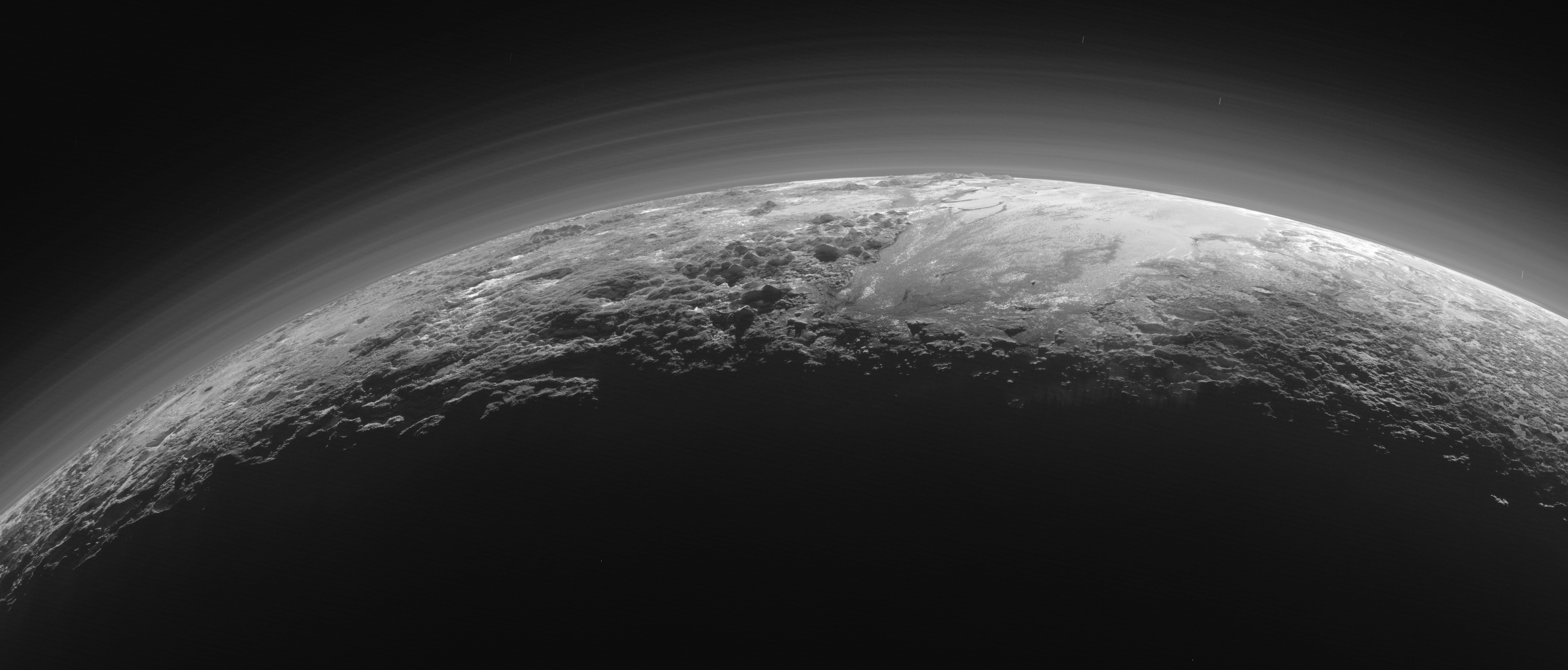
New high resolution data inbound from New Horizons contains some amazing views of Pluto.  The image above reveals thin upper layers of atmosphere and mountains illuminated at a shallow angle through a surface level haze.  Other views have features that resemble parts of an Earth-like hydrological cycle, but with solid, liquid and gaseous nitrogen.

Posted in Space & Astronomy | Tagged , , | 1 Comment

Robotic bricklayer lays bricks three times faster than a human

robot bricklayer

… but does still leave the complicated work to humans.

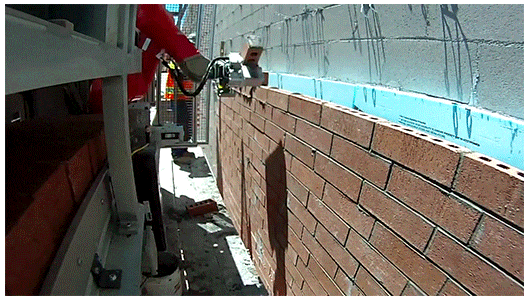
Construction workers on some sites are getting new, non-union help. SAM – short for semi-automated mason – is a robotic bricklayer being used to increase productivity as it works with human masons.

In this human-robot team, the robot is responsible for the more rote tasks: picking up bricks, applying mortar, and placing them in their designated location. A human handles the more nuanced activities, like setting up the worksite, laying bricks in tricky areas, such as corners, and handling aesthetic details, like cleaning up excess mortar.

Read the MIT Technology Review article for the full story and some cool movies.

Posted in Automation | Tagged , , | Leave a comment

What’s happening to iPads?

Apple Device Interest

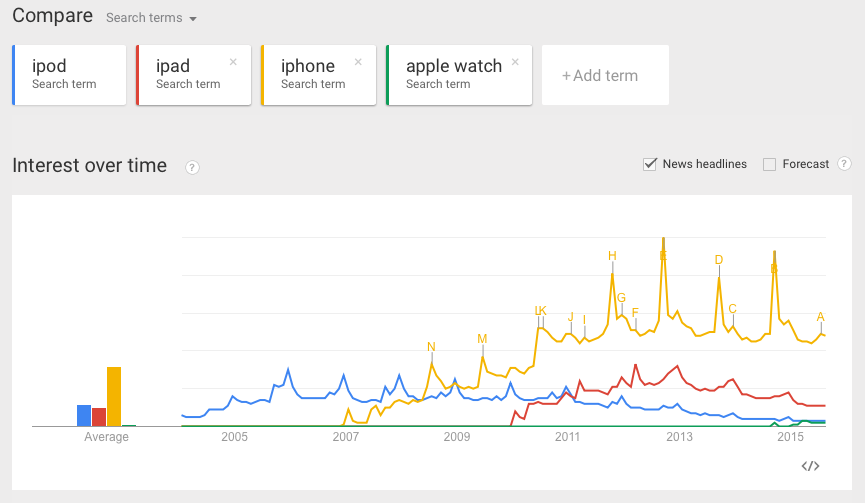
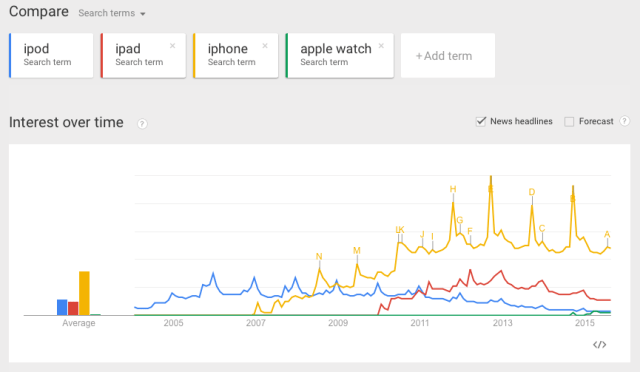
Sales of Apple’s iPads have begun to decline, with double digit drops in unit sales year over year.  Interest in the devices as judged by Google searches has noticeably dropped (red line).   If the historical record for the iPod (blue line) is any guide, iPads may be about to enter a long term decline.   This week, in fact, iPod devices were quietly relegated to the accessory shelves in the back of Apple stores, a sign that they aren’t worth the cost of prime table space any more.  Their complete disappearance may not be far off.  Will iPads follow a similar drop in sales, possibly in the context of tablets becoming a commodity item?  Will a touch screen come to the Macbook lineup?

In contrast to iPads, iPhone unit sales and interest (yellow line) remain high.  For many people around the globe, an iPhone (or other smart phone) has become their only computing device.  In fact, both iPhone (+35%) and Mac computer (+8%) sales are up while iPads are down about 20% year over year for the last three quarters.  iPhone 6 and iPhone 6+ can handle a lot of computing, gaming and media consumption, and you still need a real laptop for serious content generation —  leading one to wonder what is the future role of the iPad in the Apple ecosystem?

Meanwhile, Apple’s watch has only just launched (green line) and has a long way to go before it generates significant revenue.

Posted in Information Technology | Tagged , | Leave a comment

The cold, thin atmosphere of Pluto

nh-pluto-atmosphere

Pluto’s thin atmosphere is mainly nitrogen, and leaking away from the planet at a significant rate.  Scientists speculate that cryovolcanic activity is continually releasing enough new nitrogen vapor to keep the atmosphere from completely dissappearing.

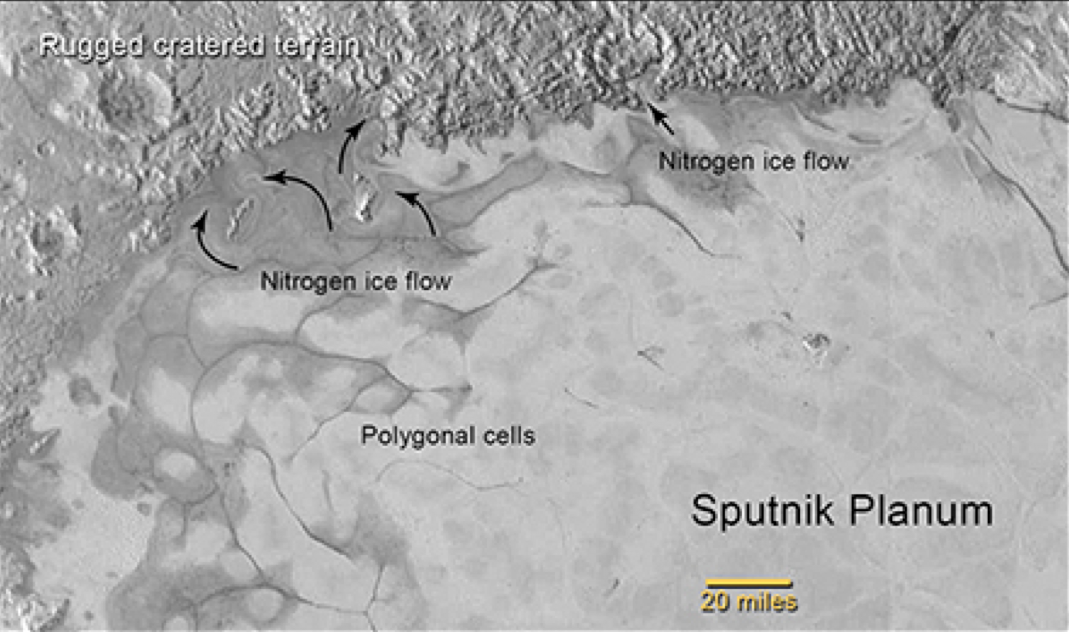
Cryovolcanic.  That’s a term you don’t hear every day.  Significant areas of Pluto are covered in what looks like glaciers.  But they’re not made of ice — ice is too hard to flow at Pluto’s  -370F temperature.  Instead, the glaciers — which show hints of convection patterns  — are likely made of frozen nitrogen:

nh-pluto-terrain

Cryovolcanism.  Just had to say that one more time.  You can read more at the New Horizons mission web site.

Posted in Space & Astronomy | Tagged , , | 1 Comment

Tonight’s Perseid meteor shower

No moon, and — for the moment — clear skies are making for some excellent viewing conditions here in Eastern Massachusetts.  If you’re still awake, go outside, look up, and wait a bit.  I saw two really nice shooting stars in about 10 min.

Posted in Space & Astronomy | Tagged | Leave a comment

The Icy Mountains of Pluto

 
Some compressed images are starting to arrive from Pluto.  This photo shows an area of mountains, probably composed of water ice.  Surprisingly unmarked by impact craters, the features must be fairly young, possibly less than 100 million years old.  They may still be geologically active, scientists speculate.

Posted in Space & Astronomy | Tagged , | Leave a comment